ZeroWattic Power Saver Reviews 2026: Energy-Saving Claims Examined
Introduction
Electricity bills have become a regular concern for households looking for practical ways to manage their monthly expenses. From televisions and refrigerators to air conditioners, computers, washing machines, and kitchen appliances, modern homes depend on electricity throughout the day. As a result, products claiming to reduce electricity consumption often attract considerable attention.
One product that has drawn interest from consumers is the ZeroWattic Power Saver. Marketed as a compact device designed to help households manage their electricity usage, it raises an important question: Is ZeroWattic Power Saver worth considering, or should consumers be cautious before purchasing it?
In this ZeroWattic Power Saver review for 2026, we will explore the product's advertised purpose, how plug-in power-saving devices are supposed to work, the potential advantages and limitations, important safety considerations, and what buyers should know before placing an order.
Discover ZeroWattic Power Saver – Visit the Official Website Today!
What Is ZeroWattic Power Saver?
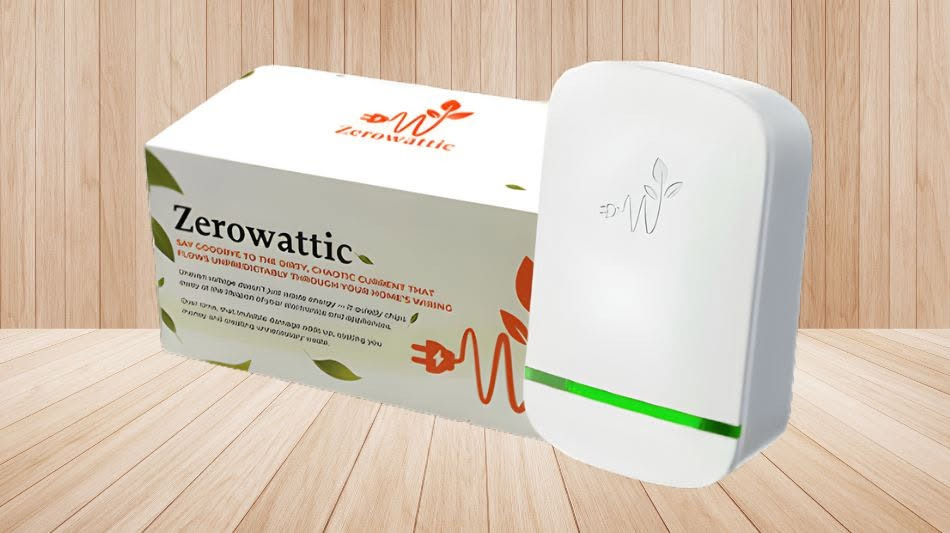
ZeroWattic Power Saver is marketed as a compact electrical device intended for household use. The product image shows a white plug-in unit with a green indicator strip, accompanied by branded packaging featuring electrical and energy-related graphics.
The general appeal of products in this category is straightforward: consumers want a convenient way to reduce their electricity expenses without changing their entire household routine.
Rather than requiring extensive installation, plug-in power-saving devices are commonly promoted as simple accessories that can be connected to a compatible electrical outlet. Some products in this category claim to improve power efficiency, stabilize voltage, or manage electrical characteristics.
However, the actual performance of any particular device depends on its internal design, electrical specifications, and the type of load it is intended to serve. The product photograph alone does not establish its technical capabilities or prove that it reduces electricity bills.
Before purchasing ZeroWattic, consumers should look for independently verified performance data, clear technical documentation, applicable electrical safety certifications, and transparent warranty information.
Ready to Explore ZeroWattic? Check the Latest Prices and Available Offers!
How Does ZeroWattic Power Saver Claim to Work?
Products marketed as power savers sometimes refer to concepts such as power factor correction, voltage stabilization, or electrical optimization. These terms can sound technical, but understanding the basics helps explain what a device may or may not accomplish.
1. Electrical optimization
Some devices claim to improve the way electricity is used by household appliances. Whether this produces meaningful savings depends on the electrical characteristics of the equipment and the device's actual design.
An advertised claim of electrical optimization should not automatically be interpreted as proof of lower electricity consumption.
2. Power factor correction
Power factor is an important concept in alternating-current electrical systems. Certain inductive loads, including some motors, draw reactive power in addition to active power.
Power factor correction can reduce reactive current and associated losses in suitable installations. However, residential electricity bills are generally based primarily on active energy consumption, measured in kilowatt-hours (kWh).
Consequently, improving power factor does not automatically mean that a typical household will pay less for electricity. The result depends on the utility's billing structure, the connected equipment, and the electrical system.
3. Plug-in convenience
A plug-in format may be convenient because it does not necessarily require permanent installation. Nevertheless, ease of use should not be confused with proven effectiveness.
Before connecting ZeroWattic to your electrical system, check that its voltage rating, current rating, plug type, and safety certification are appropriate for your country.
4. Lower electricity consumption
The most important question is whether the device can demonstrably reduce the active energy consumed by household appliances.
At present, the product image and marketing description alone do not provide enough evidence to quantify any reduction attributable to ZeroWattic. A credible assessment would require controlled measurements using appropriate electrical testing equipment and independently documented results.
Key Features of ZeroWattic Power Saver
Based on the supplied product image and the general way plug-in power-saving products are marketed, here are the main features potential buyers may want to investigate.
- Compact plug-in design: The pictured device has a compact, rounded housing intended to fit the general form of a plug-in electrical accessory.
- Simple installation concept: Plug-in devices are generally designed to avoid complicated installation, although compatibility must be confirmed for this specific model.
- Indicator strip: The unit shown has a green strip on its front. Its exact function should be verified through the manufacturer's documentation.
- Household application: The product is presented as a household electricity-saving solution.
- Potential convenience: If compatible with your electrical system, a plug-in format could be convenient compared with permanently installed equipment.
- Technical information to verify: Buyers should confirm the device's rated voltage, maximum current, operating temperature, certification, and warranty before use.
These are observations about the product's appearance and intended market category, not independently verified performance claims.
Curious About ZeroWattic Power Saver? Get the Details Before You Buy!
Potential Benefits of ZeroWattic Power Saver
Why might someone consider a product like ZeroWattic? The answer largely comes down to convenience and the possibility of managing household energy costs.
1. Interest in reducing electricity expenses
Many households are searching for ways to lower their monthly utility bills. A device that could demonstrate measurable savings under appropriate conditions would naturally attract attention.
However, buyers should calculate the potential benefit using verified test results rather than relying solely on promotional statements.
2. A potentially convenient format
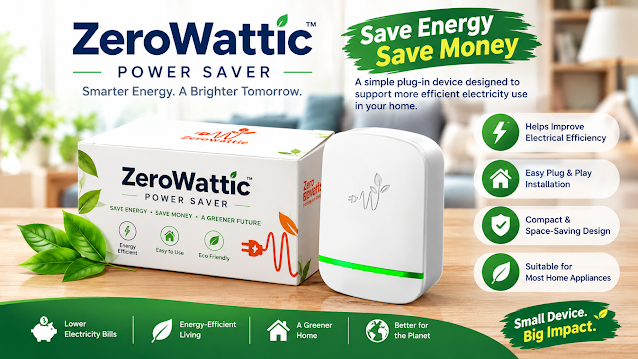
The pictured device appears designed as a compact accessory rather than a large electrical installation. This type of format may appeal to consumers who prefer simple household products.
Check the actual dimensions and connection requirements before ordering.
3. An opportunity to review household energy use
Researching power-saving products can encourage consumers to examine which appliances consume the most electricity. That is useful even if the device itself does not produce measurable savings.
For example, reviewing air-conditioner settings, refrigerator performance, lighting, and standby consumption can reveal opportunities to reduce energy use.
4. No need to replace household appliances
The marketing appeal of plug-in products is that they offer an alternative to purchasing new appliances. Nevertheless, a standalone accessory should only be considered worthwhile if its effectiveness, safety, and overall cost are established.
5. Potential suitability for specific electrical applications
Some electrical equipment can benefit from properly engineered power factor correction or other electrical improvements. Such benefits depend on the application, and they should not be generalized to every home or appliance.
Important: These are potential advantages of the product category, not confirmed benefits of ZeroWattic Power Saver specifically.
ZeroWattic Power Saver Reviews: What Should Buyers Know?
When researching ZeroWattic Power Saver reviews, it is important to distinguish between a product's advertising claims, individual customer experiences, and independently measured performance.
A review that describes a positive experience may be useful, but it does not necessarily establish that the product caused a reduction in electricity consumption. Seasonal weather changes, appliance usage, occupancy, and electricity rates can all affect monthly bills.
Before relying on a customer review, consider the following questions:
- Does the reviewer provide electricity bills from comparable periods?
- Were the readings adjusted for changes in weather and household usage?
- Is the claimed reduction measured in kWh, rather than just money?
- Was the device tested independently?
- Does the reviewer disclose whether they received payment or a free product?
- Can the reviewer explain the technical mechanism behind the claimed savings?
Look for detailed, verifiable evidence instead of relying exclusively on star ratings, dramatic testimonials, or promotional photographs.
I cannot verify a representative collection of independent customer reviews for this specific product from the supplied image alone. Therefore, it would be misleading to claim that customers universally recommend it or that widespread complaints have been established.
Explore ZeroWattic Power Saver Packages and Find the Right Option for Your Home!
Does ZeroWattic Power Saver Really Reduce Electricity Bills?
This is the central question for anyone considering the product.
The short answer is that meaningful electricity-bill savings have not been established by the product image or information available here.
A typical household electricity bill reflects active energy consumption, usually measured in kilowatt-hours. If a device claims to reduce consumption, the most convincing evidence would be a controlled test showing that the same appliances use less active energy with the device installed than without it.
A suitable test would account for:
- Identical appliances and operating conditions.
- Comparable testing periods and workloads.
- Accurate measurement of active energy consumption.
- Measurement uncertainty and any background electrical loads.
- Independent verification of the results.
A simple indicator light, a claim about stabilizing electricity, or a technical-sounding description does not establish a reduction in energy consumption.
If your goal is to save money, practical steps such as using efficient lighting, improving air-conditioner settings, switching off unnecessary loads, and choosing energy-efficient appliances have clearer explanations and measurable outcomes.
ZeroWattic Power Saver Pros and Cons
Here is a balanced assessment based on the available product information.
Potential advantages
- Compact design shown in the supplied image.
- Plug-in format may be convenient if the device is compatible.
- Appeals to consumers looking for ways to manage electricity costs.
- Encourages greater awareness of household energy consumption.
Limitations and concerns
- Independently verified energy-saving results have not been established here.
- The exact internal technology and technical specifications are unconfirmed.
- The product image does not establish electrical safety certification.
- Actual savings, if any, cannot be calculated without reliable test results.
- Purchase price, warranty, return terms, and seller reliability should be verified.
This assessment is intentionally cautious because buyers deserve clear evidence before spending money on a product marketed as a way to reduce household expenses.
Don't Miss the Current Deal – Check ZeroWattic Power Saver Pricing Today!
ZeroWattic Power Saver Price and Where to Buy
Consumers searching for ZeroWattic Power Saver may encounter different prices, promotional offers, and sales pages.
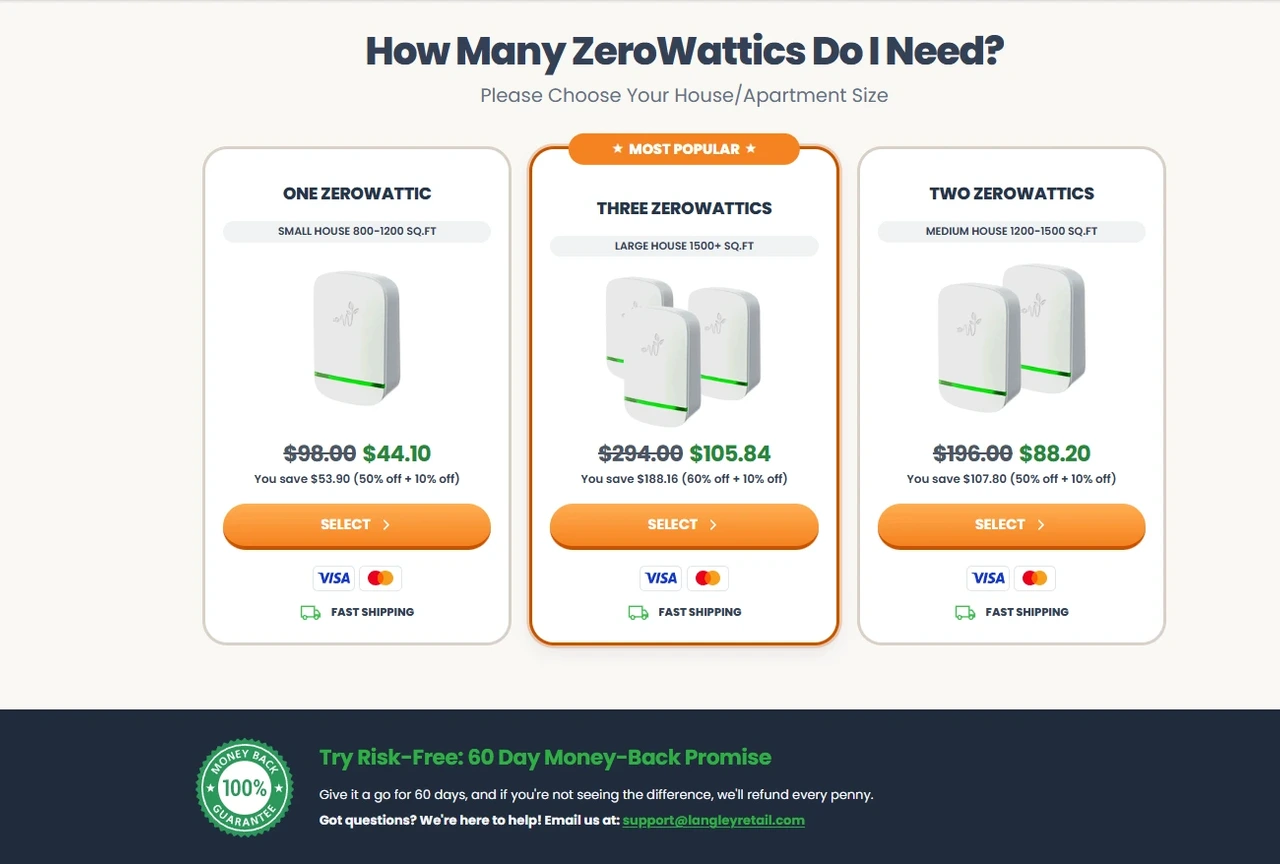
- 1 Unit (Small House: 800–1,200 sq. ft.) — $44.10 (Save $49.00)
- 2 Units (Medium House: 1,200–1,500 sq. ft.) — $88.20.00 (Save $98.00)
- 3 Units (Large House: 1,500+ sq. ft.) — $105.84 (Save $176.40)
ZeroWattic Power Saver Contact Information
- Email: support@langleyretail.com
- Phone: 833-303-3509
- Return address: 25 SE 2nd Ave STE 550 #3036, Miami, FL 33131, USA
Is ZeroWattic Power Saver Safe to Use?
Electrical safety should be a priority when purchasing any device that connects to a household outlet.
Before using ZeroWattic Power Saver, confirm that the product carries appropriate safety certification for your country and has clear voltage and current ratings. For use in India, verify compatibility with the local electrical supply and the relevant safety requirements.
Do not use a device with a damaged casing, loose connections, unusual heat, a burning smell, buzzing, or visible electrical damage. Disconnect it if any such warning signs occur, provided you can do so safely.
Never connect an unknown plug-in device to an overloaded extension board or use an adapter that is unsuitable for its electrical rating. Do not open the housing or attempt to modify its internal components.
If the manufacturer cannot provide credible specifications and appropriate safety documentation, the prudent choice is to avoid connecting the device.
Looking for Ways to Manage Electricity Costs? Learn More About ZeroWattic!
Frequently Asked Questions About ZeroWattic Power Saver
1. What is ZeroWattic Power Saver?
ZeroWattic Power Saver is marketed as a plug-in device intended to help households manage electricity usage. Its actual energy-saving performance requires independent verification.
2. Does ZeroWattic Power Saver actually work?
There is insufficient verified evidence in the available information to establish whether this specific device produces meaningful electricity savings. Buyers should look for independent testing results.
3. Can ZeroWattic reduce monthly electricity bills?
A reduction is not guaranteed. Household electricity bills depend on active energy consumption, applicable tariffs, and other charges. Any claimed savings should be supported by reliable measurements.
4. Is ZeroWattic Power Saver easy to install?
The supplied image depicts a plug-in-style device, but the exact installation procedure and compatibility requirements should be confirmed using the product's instructions.
5. Is ZeroWattic Power Saver safe?
Its safety cannot be confirmed from a photograph alone. Verify its electrical ratings, appropriate safety certifications, manufacturer information, and instructions before use.
See What's Included in Each ZeroWattic Power Saver Package!
Final Verdict: Should You Buy ZeroWattic Power Saver in 2026?
ZeroWattic Power Saver is marketed toward consumers who want a convenient way to manage household electricity expenses. Its compact appearance may attract buyers looking for a straightforward plug-in accessory, but appearance and marketing are not substitutes for independently verified performance.
The most important consideration is whether the device can demonstrate a meaningful reduction in active energy consumption under realistic household conditions.
Before making a purchase, compare its claims with independently measured results, verify electrical safety documentation, and carefully review the seller's warranty and refund terms.
For consumers who want to reduce their electricity bills immediately, improving appliance efficiency and eliminating unnecessary energy consumption are practical starting points.
Official Site – https://universalsupplements24x7.com/try-zerowattic-power-saver/
Facebook @Official Site – https://www.facebook.com/Use.ZeroWatticPowerSaver/
https://www.facebook.com/ZeroWatticPowerSaver.USD/
https://www.facebook.com/groups/983683368123928
https://www.facebook.com/groups/1829378618476922
https://www.facebook.com/groups/2012719436329113
https://www.facebook.com/events/1620795599540686/
https://www.facebook.com/events/2099014590818659/